Introduction to effective altruism: How can we do the most good with our time and money?
Most of us want to help make the world better. Working out how to do that well is hard. Effective altruism is a way of approaching the question with evidence and careful reasoning, and a community of people trying to act on the answers.
What is effective altruism?
Effective altruism is two things. It's a research field that tries to find the world's most pressing problems and the best ways to solve them. It's also a practical community that uses those findings to do good, through careers, donations and projects.
This matters because some ways of helping achieve far more than others. Some charities help 10 or even 100 times as many people as others with the same resources. So thinking carefully before we act can make a large difference to how much good we do.
Guiding principles
Effective altruism isn't defined by any one cause. We expect its focus to shift as the evidence and the world change. What stays the same is a set of principles.
Scope sensitivity
Some actions help far more than others. When one option can do a hundred times more good than another, that difference in scale should guide where we focus our time and money.
Impartiality
We try to help those who need it most, without giving extra weight to people or issues just because they're like us or close to home. This often points to people in low-income countries, animals and future generations, whose needs are easily overlooked.
Scout mindset
We try to see the world as accurately as we can, and to change our minds when evidence and reason point elsewhere. Bias is easy to fall into, so we stay humble, test our ideas and follow the truth over what we already believe.
Recognition of trade-offs
Time and money are limited, so doing good means choosing between options. Supporting one often means not supporting another. Taking those costs seriously means weighing the trade-offs on purpose.
These principles aren't absolutes, and they could change. But we think they matter, and that society undervalues them. Anyone using them to find better ways to help others is taking part in effective altruism, however much time or money they give and whichever issue they focus on.
Principles adapted from the Centre for Effective Altruism's introduction to effective altruism.

Talk these ideas through with others
Our Intro Course is six weeks of short weekly readings and a small-group discussion led by a volunteer facilitator. It covers the ideas on this page in more depth, from global poverty and animal suffering to AI and future generations.
It's free. You don't need any background, and you don't need to agree with any of it. Groups meet online, with in-person groups in some cities when there's enough interest.
Cause areas
Applying these principles, the effective altruism community works on a range of pressing problems, also called cause areas. This list isn't complete or final. It gives three examples of effective altruism in practice.
Global poverty

Why this issue?
It's common to say that charity begins at home. In effective altruism, charity begins where we can help most. That often means people who are far away and neglected by current systems.
Global inequality is extreme. More than 800 million people live on less than US$3 a day, adjusted for what money buys locally (World Bank, 2026). Moving resources to the world's poorest people can do a great deal of good.
GiveWell researches health and development programs in depth to find the most cost-effective ones. It has found that some aid programs achieve little, but others are very effective. It estimates that its top charities save a life for about US$3,000 to US$5,500 on average.
What's been done
More than 150,000 donors have used GiveWell's research to direct over US$2.6 billion. GiveWell estimates that the money given to its current top charities will save more than 340,000 lives.
One of those charities, the Against Malaria Foundation, has funded more than 470 million insecticide-treated bed nets.
Business can help too. Wave, a mobile money company founded by people in the effective altruism community, makes it much cheaper to send money in several African countries. In 2021, Wave estimated it was saving its users in Senegal more than US$200 million a year in fees, about 1% of the country's GDP.
Animal welfare
Why this issue?
People in effective altruism try to widen the circle of who they care about: beyond people in distant countries and future generations, to animals. Most effective altruism work on animals focuses on farmed animals. A common way to compare problems is to ask how big they are, how neglected they are, and how solvable they are. Farmed animals stand out on all three.
Scale. About 50 billion animals a year are raised on factory farms. Many spend their lives unable to turn around, and routine surgery is often done without pain relief.
Neglectedness. Most concern for animals goes to pets. In the US in 2018, about 1,400 times more animals went through factory farms than through animal shelters. Yet shelters received about US$5 billion that year, against about US$97 million spent on advocacy for farmed animals.
Tractability. Some approaches are already working, such as corporate cage-free campaigns.
What's been done
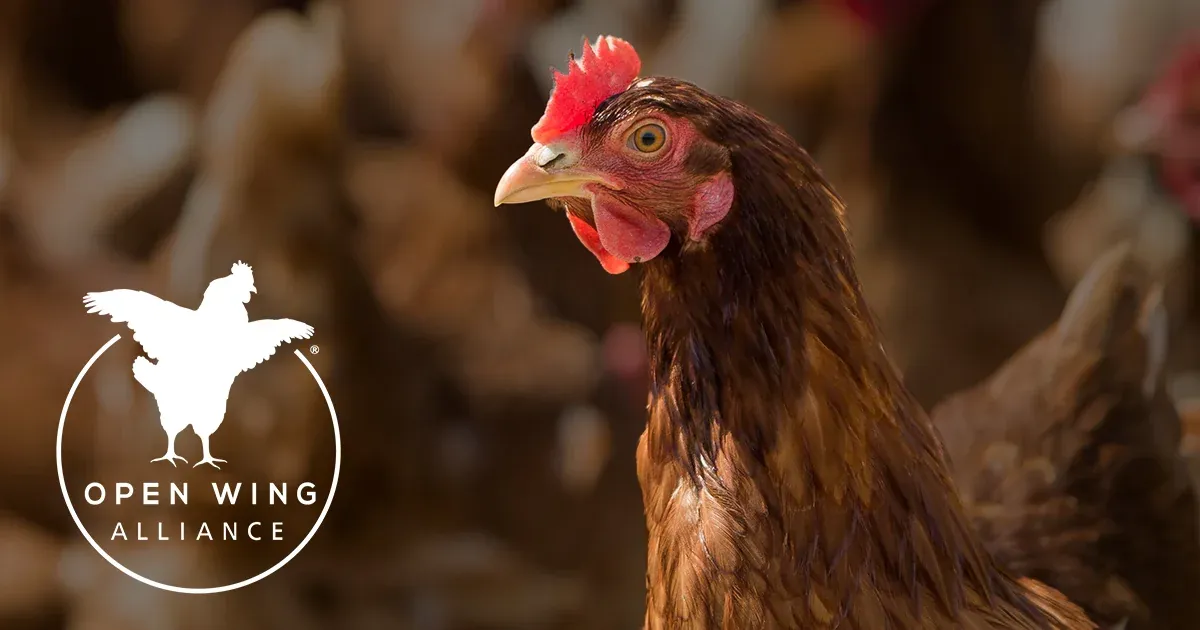
One strategy is corporate campaigns. The Open Wing Alliance, which has had significant funding from funders inspired by effective altruism, asks companies to stop buying eggs from caged hens. In 2025, companies made 216 new cage-free commitments, and 92% of commitments due by 2024 had been met (Open Wing Alliance, 2026).
Another strategy is alternative proteins. If plant-based and cultivated meat become cheaper and tastier than factory-farmed meat, demand for factory farming could fall. The Good Food Institute supports this field and keeps a database of alternative protein companies.
The long-term future and catastrophic risks
Why this issue?
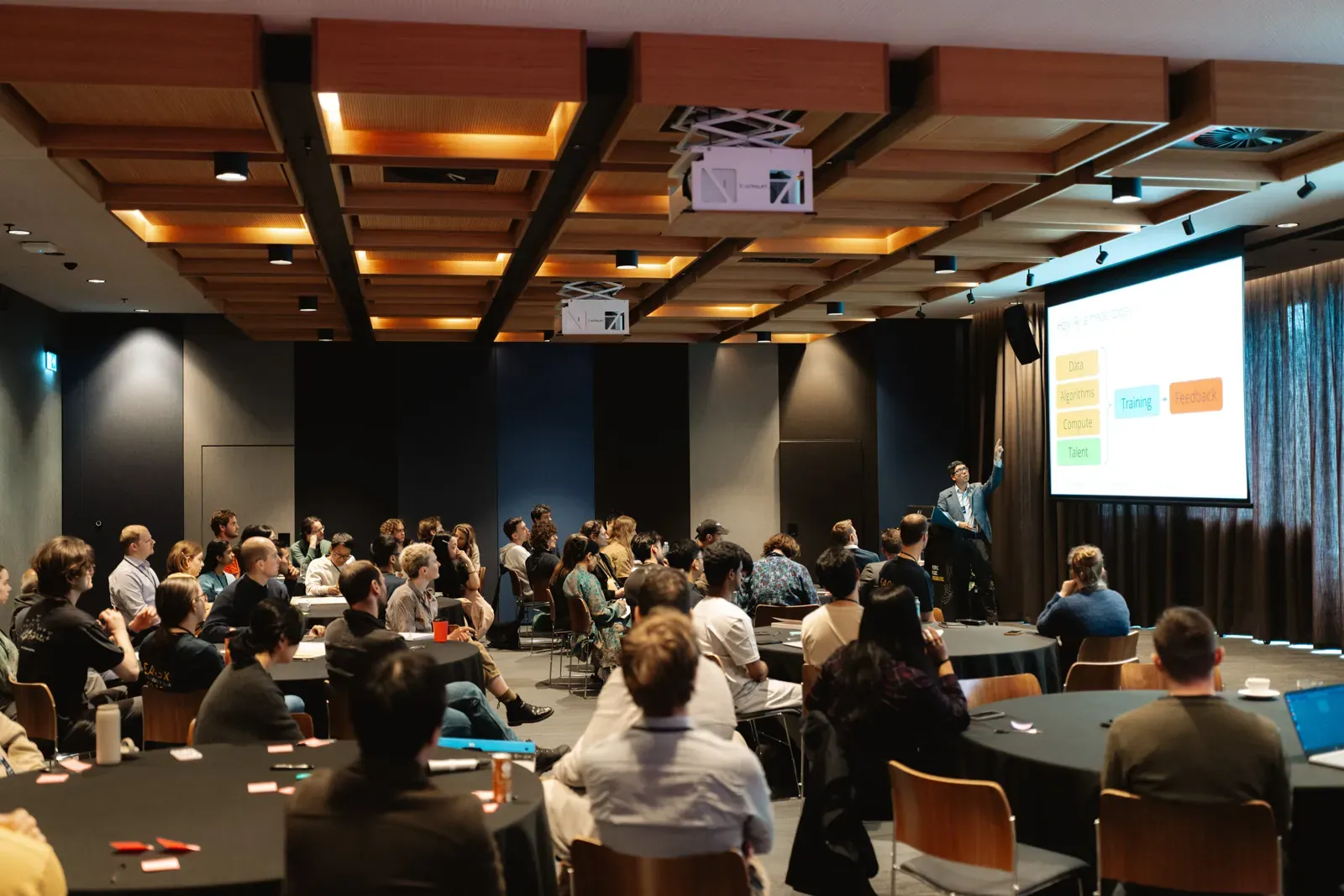
Many of us care about people who haven't been born yet. The future could be very long, so far more people may live in it than are alive today. We shouldn't ignore future generations because they're less visible, just as we shouldn't ignore people because they live in another country.
There are many ways we could miss out on a good long-term future. Climate change and nuclear war are well-known threats. Many researchers think risks from new technologies, such as advanced AI and engineered pandemics, may be even more serious.
These risks get little attention for their size. 80,000 Hours estimates that only a few thousand people focus on the most important challenges from AI. So many people in the effective altruism community think we should spend more time and money reducing these risks.
What's been done
People in the effective altruism community helped build the field of research on risks from advanced AI, including organisations such as the Centre for the Governance of AI and the Center for Human-Compatible AI at UC Berkeley.
Members of the community also helped create the Apollo Program for Biodefense (2021), a multibillion-dollar policy proposal to prevent the next pandemic.
Where to go next
Explore these ideas with others
The Intro Course is free and runs over six weeks. See when the next round starts, or join our newsletter to hear when applications open.