Why (and how to) give effectively
When you care about making a difference in the world, it’s natural to ask: “Where can my donations do the most good?”
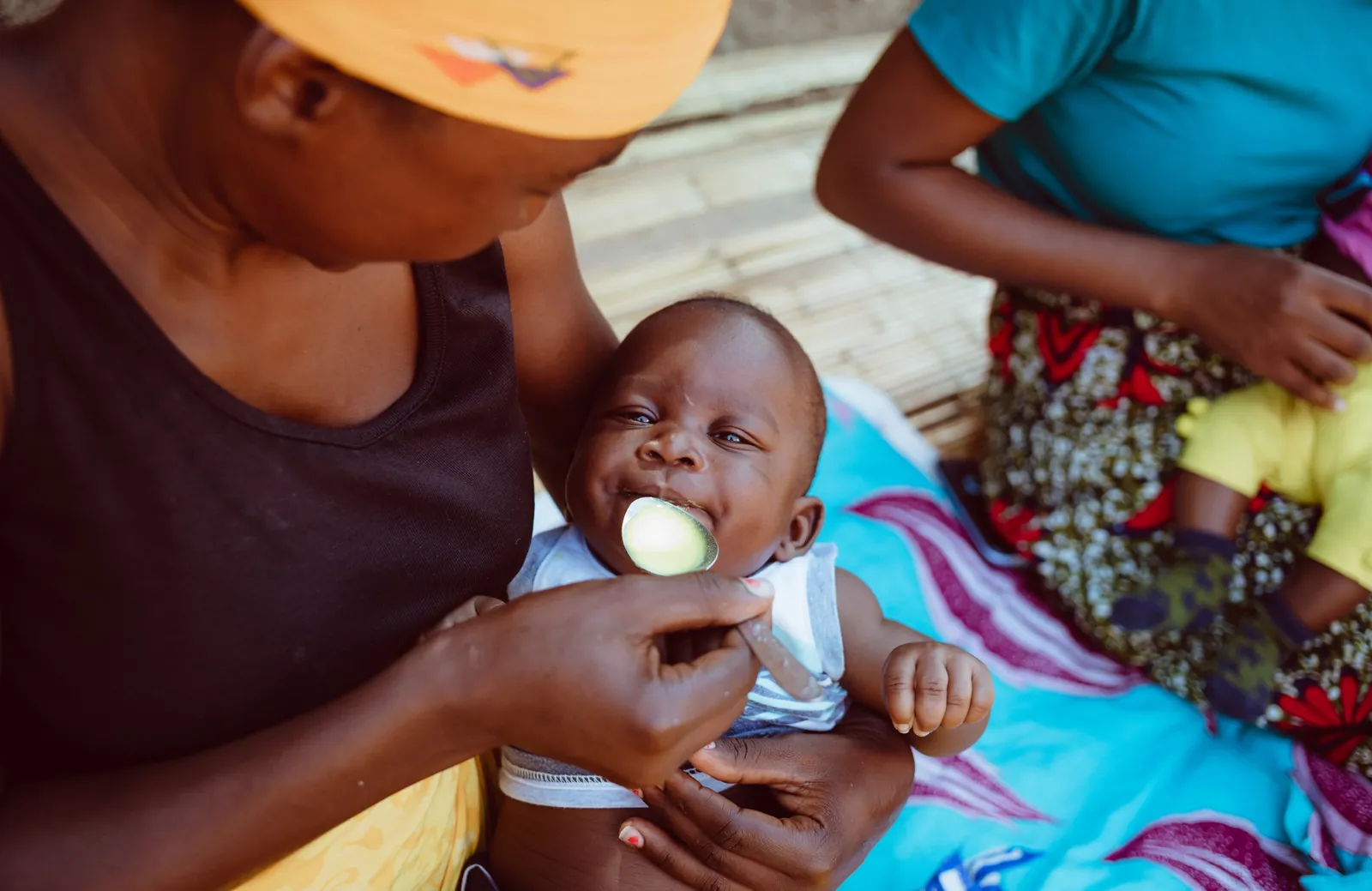
Immunisation provider Najib Musa Gogel vaccinates Umar Yakub as his mother, Naja’atu, holds him · Photo: New Incentives
The opportunity
Making the most of our giving
The good news is that your donations can do an astonishing amount of good. The catch is that where you give matters enormously. Some charities achieve far more with each dollar than others, and the gap is often much bigger than people expect.
This page explains why, and how to give in a way that makes your generosity count.
Giving globally
Helping those most in need
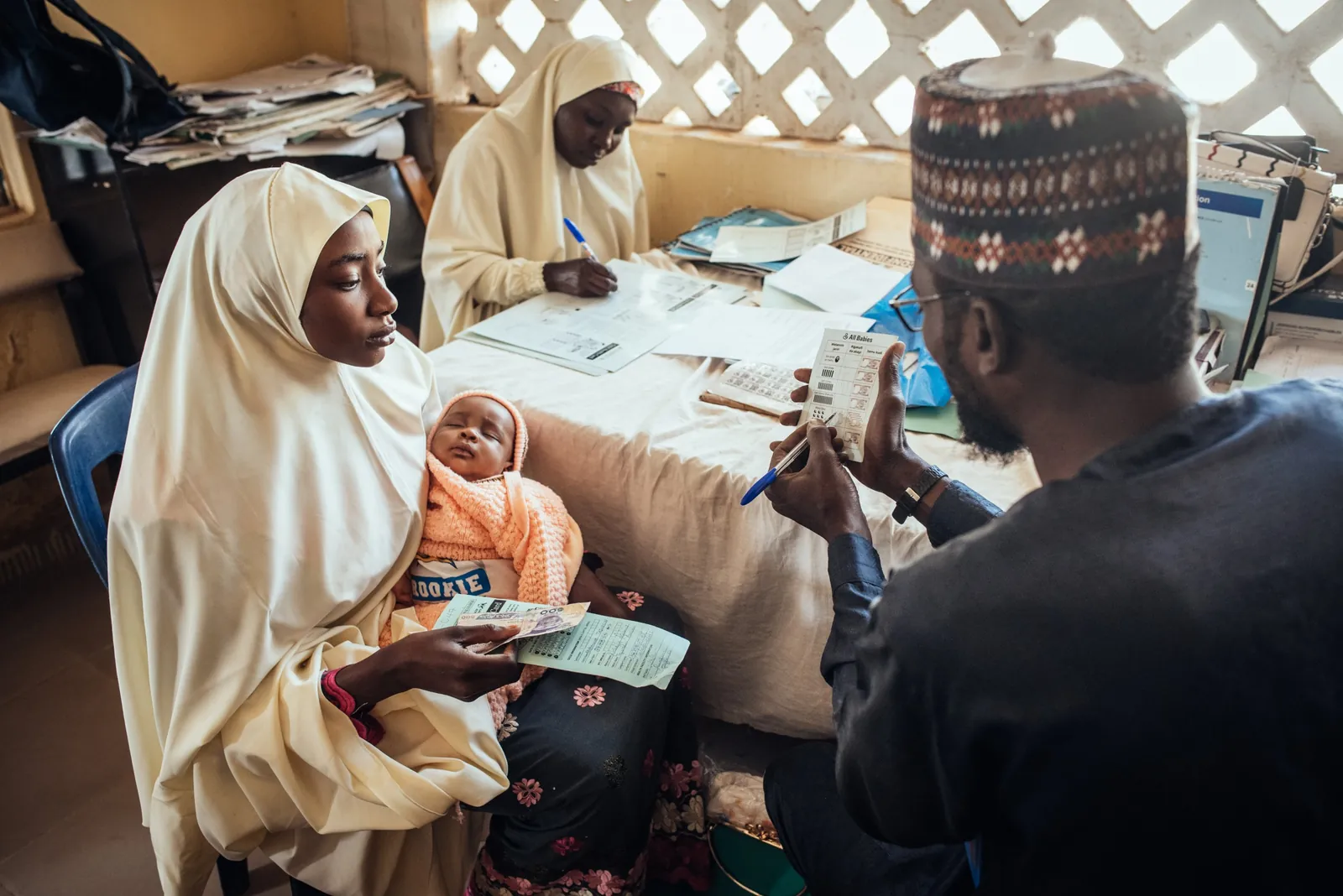
Effective altruism encourages us to broaden our perspective when it comes to charitable giving. Many of us feel that all people matter equally, and by extending our generosity to people who might live in other countries, we can direct our resources to where they are needed the most and have the greatest impact on improving lives.
More than 800 million people live in extreme poverty, on less than about A$4.50 a day, a figure that already accounts for money going further in poorer countries. In these places, simple, proven programs change lives at remarkably low cost. Preventive malaria medicine can protect a child through an entire high-transmission season for about A$10, and GiveWell estimates its top charities save a life for roughly A$4,500 to A$8,000. That’s why your donation can go so much further when it funds cost-effective programs in low- and middle-income countries.
Our approach
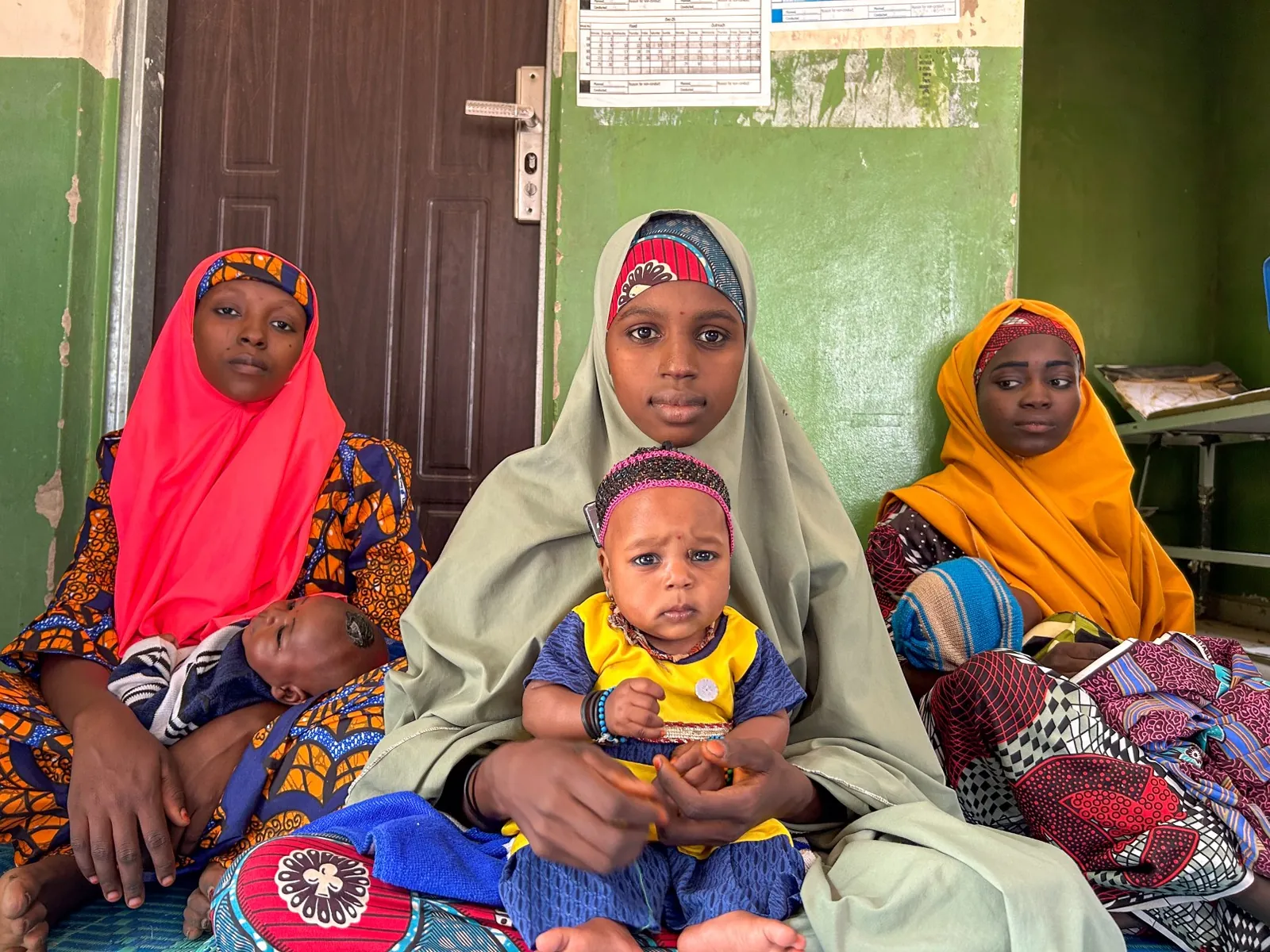
We can make a difference
The scale of poverty can feel overwhelming, yet most Australians are in an incredibly fortunate position. If you take home A$55,000 a year after tax, you’re richer than 95% of people on Earth. At A$105,000, you’re in the top 1%. With the rise of evidence-driven interventions, we each have an unprecedented opportunity to transform lives. And progress is real: the number of people living in extreme poverty has fallen from around 2.3 billion in 1990 to about 831 million today.
There are many exceptional charities helping those living in extreme poverty. In general, we think it is important to look at an organisation’s reliance on evidence, cost-effectiveness, transparency, room for more funding, and a strong track record.
However, in practice this requires exceptional time, expertise, and access to detailed information. That’s why we rely on independent, impact-focused charity evaluators: GiveWell for global health and poverty, and Giving Green for climate. Their research guides our choice of partner charities.
Through our sister charity, Effective Altruism Australia Environment, Australians can also give tax-deductibly to high-impact climate organisations, guided by Giving Green’s research.

The evidence
The difference between charities is bigger than you think
Where you give can multiply your impact. When researchers compared global health programs, the best were 30 to 50 times more cost-effective than a typical one. The difference comes down to the problem a charity tackles, the approach it takes, and how well it delivers. Effective altruism emphasises the importance of carefully reasoned, thoughtful, and where possible, evidence-based giving. This involves researching and analysing charities to identify those that can make the most significant positive impact with your donation.
While measuring the impact of an intervention can be challenging, the examples below illustrate the remarkable difference in cost-effectiveness among various charities.
-
More effective
Cataract surgery
~A$1,500 per severe visual impairment reversed (rough GiveWell estimate)
Difference~30×
for somewhat similar outcome
-
Difference
2–3 lives
saved for the cost of one wish
-
Less effective
Handwashing promotion + free soap
~A$21 per diarrhoeal incident avoided (J-PAL, 2013)
Difference~7×
for same outcome
These are rough estimates from the linked sources, in Australian dollars. Figures originally in US dollars have been converted at about A$1.45 per US$1 and rounded up. They illustrate the scale of the differences rather than exact figures.
Next steps
Learn more about effective giving
Want to go deeper? Giving What We Can’s Effective Giving 101 is a great place to start. You can also read about how we choose our charities.