Smaller gains per dollar
Many major health gains have already been achieved, so additional spending often delivers only marginal improvements.
Illustrative only
Global health and wellbeing
Give tax-deductibly to evidence-backed programs that reduce death, disease and suffering as cost-effectively as possible.
The problem
Every year, millions of people die from causes that are cheap and straightforward to prevent, mostly in low-income countries.
Diseases like malaria, measles and complications from vitamin deficiencies remain major causes of death, especially among children.
These are not unsolved problems. In many cases, the tools to prevent them already exist. They simply don’t reach everyone who needs them.

Prevented with insecticide-treated bed nets and seasonal preventive medicine.
Prevented with routine childhood vaccination.
Prevented with low-cost vitamin A supplements.
Why global health
At EAA, we give Australians tax-deductible access to evidence-backed programs that reduce death, disease and suffering as cost-effectively as possible.
Many major health gains have already been achieved, so additional spending often delivers only marginal improvements.
Illustrative only
People still face preventable, deadly risks that proven solutions can address. Relatively simple programs here can deliver far greater impact per dollar.
Illustrative only
GiveWell’s giving funds
Rather than choosing a single charity, many donors prefer to give through pooled funds. These direct donations to the most impactful opportunities available at the time.
Supports a small group of organisations. Funding goes to whichever opportunity can make the best use of it. They typically work on:
Supports a broader set of high-impact opportunities, including:
Examples of highly effective charities
Organisations that GiveWell has recommended as top charities include:
Bed nets
Distributes long-lasting insecticide-treated bed nets to prevent malaria, a leading cause of child deaths.
Read GiveWell’s analysis Seasonal malaria chemoprevention
Its seasonal malaria chemoprevention program protects children with preventive medicine during high-risk periods.
Read GiveWell’s analysis
Vitamin A supplementation
Provides vitamin A supplementation, significantly reducing the risk of child death.
Read GiveWell’s analysis
Vaccination incentives
Increases childhood vaccination rates by offering small incentives to caregivers.
Read GiveWell’s analysis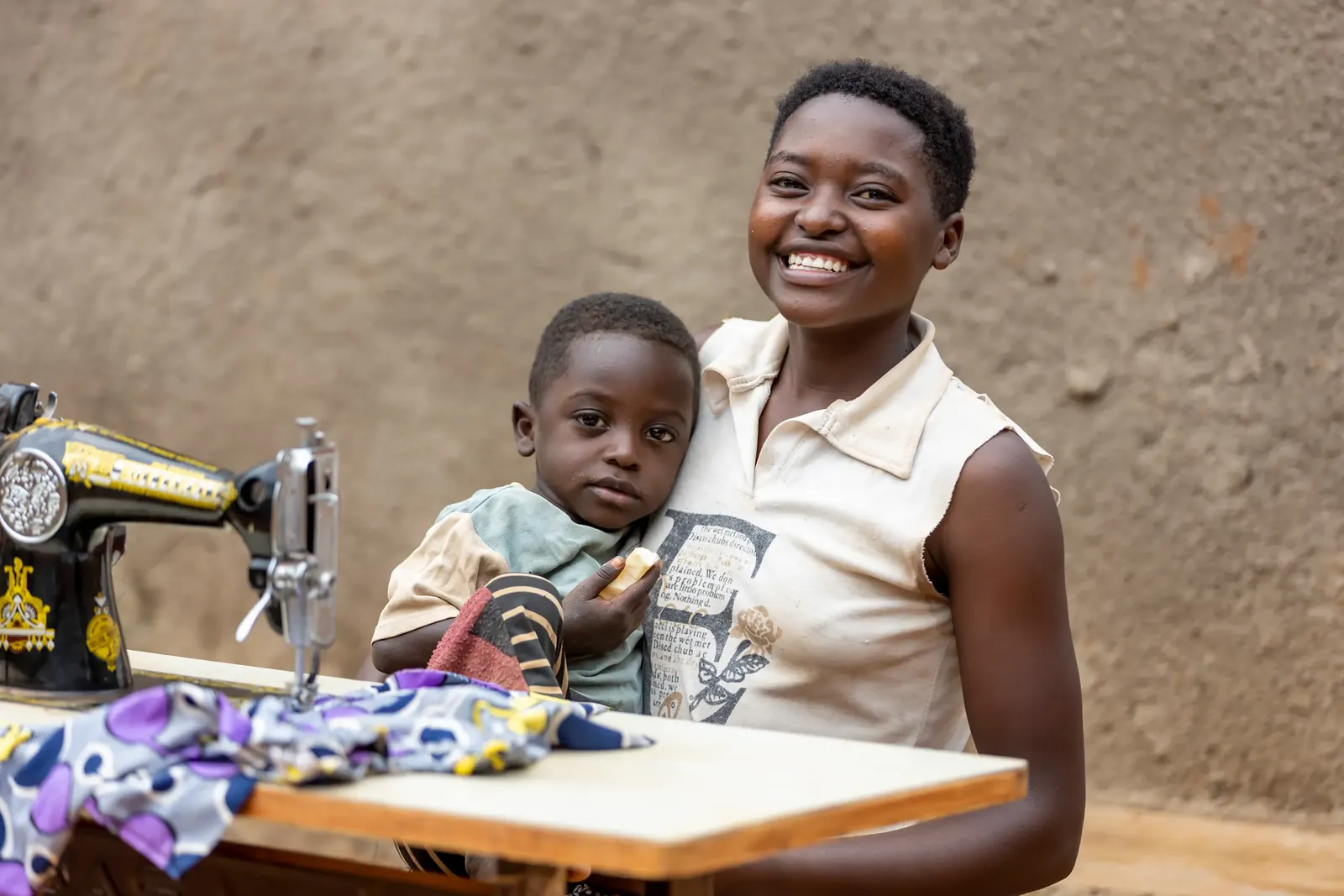
Another approach
We also partner with GiveDirectly, which sends unconditional cash transfers, usually around $1,000, directly to people living in extreme poverty.
Recipients decide how best to spend the money to meet their needs and improve their lives. Transfers are delivered by mobile money with minimal overhead, and robust evidence shows sustained improvements in income, health, education and wellbeing.
How we choose
GiveWell conducts in-depth analysis of global health programs and charities. It assesses them on four things.
This approach puts measurable outcomes ahead of good intentions, helping donors give where they can do the most good.
FAQs
Have another question? Email us at [email protected].
Scepticism about overseas aid is understandable. Many past programs were poorly targeted, weakly evaluated, or driven more by good intentions than results.
What matters is not whether aid works in general, but whether specific programs work.
In global health and wellbeing, there is now strong evidence that some programs reliably save lives at low cost. Malaria prevention, routine vaccination and vitamin A supplementation have been tested in large trials and delivered at scale across many countries. Their effects are measurable and repeatedly observed.
To be confident of impact, we generally highlight charities evaluated by GiveWell, which looks for programs that:
We focus on a narrow set of global health programs precisely because they are among the clearest cases where overseas funding demonstrably works.
We focus on areas where there is strong evidence about what works, clear outcomes, and unusually high impact per dollar. In global wellbeing, many programs, such as malaria prevention, vaccination and micronutrient supplementation, have been studied extensively and shown to reliably save lives at relatively low cost.
We also support GiveDirectly, which provides direct cash transfers to people in extreme poverty. Recipients may start businesses, pay their children’s school fees, and generally use their transfers for whatever will improve their lives the most.
We think education and economic empowerment are important causes, but we believe our current partners are the best option for many donors who want to improve global wellbeing.
In low-income countries, the same amount of money can often achieve far larger improvements in health than in high-income countries. For example, the cost of preventing a child from dying of malaria is many times lower than the cost of comparable health gains in wealthier settings. So donations can save more lives when directed to carefully chosen global health programs.
Giving through a fund lets your donation go where it is most needed and most effective at the time you give. Funding gaps change, and some charities can make better use of additional funds than others at different times. Pooled funds let expert researchers allocate donations as needs change, rather than locking all support into one organisation.
The charities we recommend are evaluated by GiveWell, which does detailed research using data from randomised controlled trials, program monitoring and long-term follow-up studies. Its research team spends over 70,000 hours a year looking for the best possible opportunities.
GiveWell regularly revisits its recommendations, updating them as new evidence becomes available or as funding needs change.
Yes. Because many of these programs are inexpensive and scalable, even modest donations can have a real impact. Each additional contribution helps extend proven programs to more people who would otherwise go without.
A drop in the ocean isn’t just a drop to the person you’re helping. You could be protecting a child from serious illness, and sparing their parents from watching them suffer.
Make a tax-deductible donation to some of the world’s most cost-effective global health programs.